Archives
- 2026-08
- 2026-07
- 2026-06
- 2026-05
- 2026-04
- 2026-03
- 2026-02
- 2026-01
- 2025-12
- 2025-11
- 2025-10
- 2025-09
- 2025-03
- 2025-02
- 2025-01
- 2024-12
- 2024-11
- 2024-10
- 2024-09
- 2024-08
- 2024-07
- 2024-06
- 2024-05
- 2024-04
- 2024-03
- 2024-02
- 2024-01
- 2023-12
- 2023-11
- 2023-10
- 2023-09
- 2023-08
- 2023-07
- 2023-06
- 2023-05
- 2023-04
- 2023-03
- 2023-02
- 2023-01
- 2022-12
- 2022-11
- 2022-10
- 2022-09
- 2022-08
- 2022-07
- 2022-06
- 2022-05
- 2022-04
- 2022-03
- 2022-02
- 2022-01
- 2021-12
- 2021-11
- 2021-10
- 2021-09
- 2021-08
- 2021-07
- 2021-06
- 2021-05
- 2021-04
- 2021-03
- 2021-02
- 2021-01
- 2020-12
- 2020-11
- 2020-10
- 2020-09
- 2020-08
- 2020-07
- 2020-06
- 2020-05
- 2020-04
- 2020-03
- 2020-02
- 2020-01
- 2019-12
- 2019-11
- 2019-10
- 2019-09
- 2019-08
- 2019-07
- 2019-06
- 2019-05
- 2019-04
- 2018-07
-
br Materials and methods br Results br Discussion Although
2021-01-26
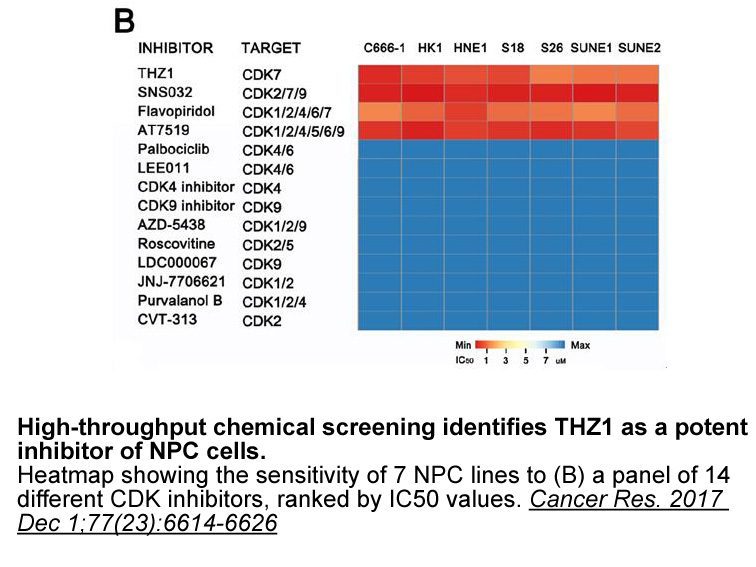
Materials and methods Results Discussion Although some conditioning therapies have provided satisfactory clinical outcomes, mammalian species have little or no ability to replace injured cardiac tissue [34]. Therefore, therapeutic strategies based on the prevention, rather than treatment af
-
br RING dimerization RING type domains are found in many
2021-01-25
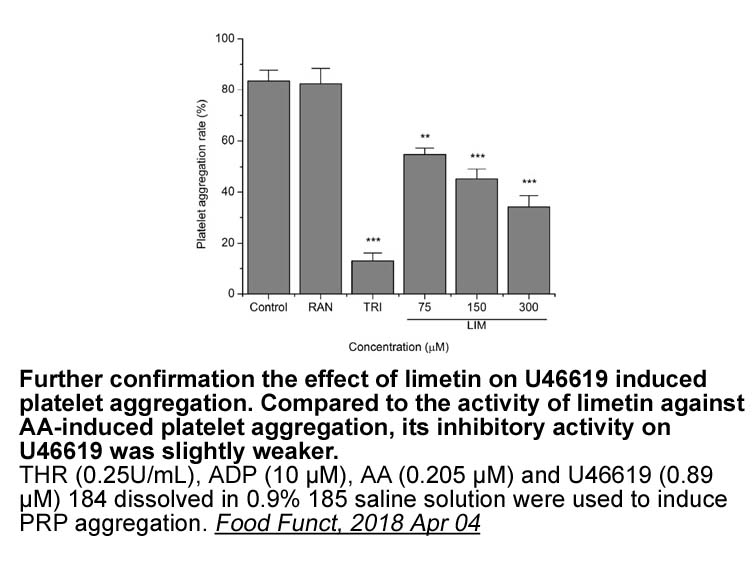
RING dimerization RING-type domains are found in many different structural contexts. While many exist as single-chain AZD3264 synthesis (Fig. 3A), a notable feature of RING-type E3s is their tendency to form homodimers and heterodimers (Fig. 3C–F). Homodimeric RING-type E3s include cIAP, RNF4, BI
-
br Development of a liquid chromatography mass
2021-01-25
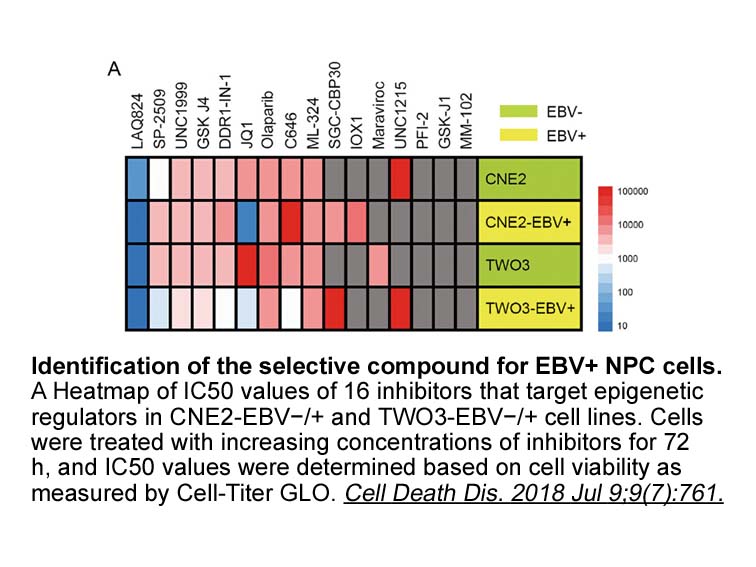
Development of a liquid chromatography-mass spectrometry method to improve detection of PA species detection Liquid chromatography-mass spectrometry (LC-MS) is a powerful tool to detect different molecular species of phospholipids in dfmo (Houjou et al., 2005, Pulfer and Murphy, 2003). However,
-
It should be noted that there
2021-01-25
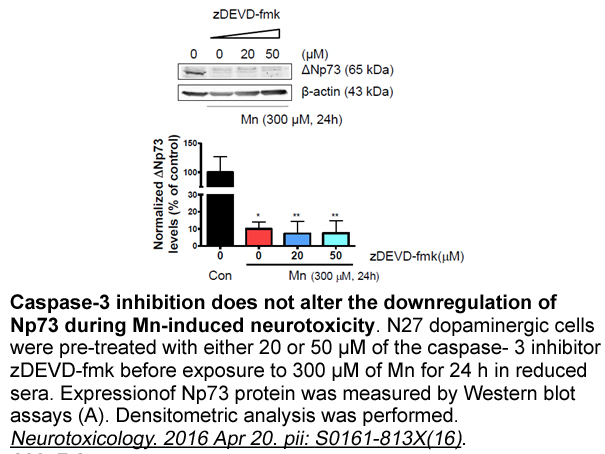
It should be noted that there are other methods, such as artificial intelligence, like Artificial Neural Networks/ANN (such as PSO-ANN, ICA-ANN), Least Square Support Vector Machine/LSSVM, etc. [10], [11], [12], [13], [14], [15], [16], [17], [18], or molecular simulations, for modeling the fluid's v
-
dpp-4 Organ fibrosis is thought to be initiated
2021-01-25

Organ fibrosis is thought to be initiated by repeated or chronic epithelial injury. The current belief is that damaged epithelial dpp-4 induce an aberrant and unresolved wound repair process by activating fibroblasts via various profibrotic cues. Upon injury, epithelial cells activate the profibrot
-
In summary we demonstrated the high potency of fluxametamide
2021-01-25
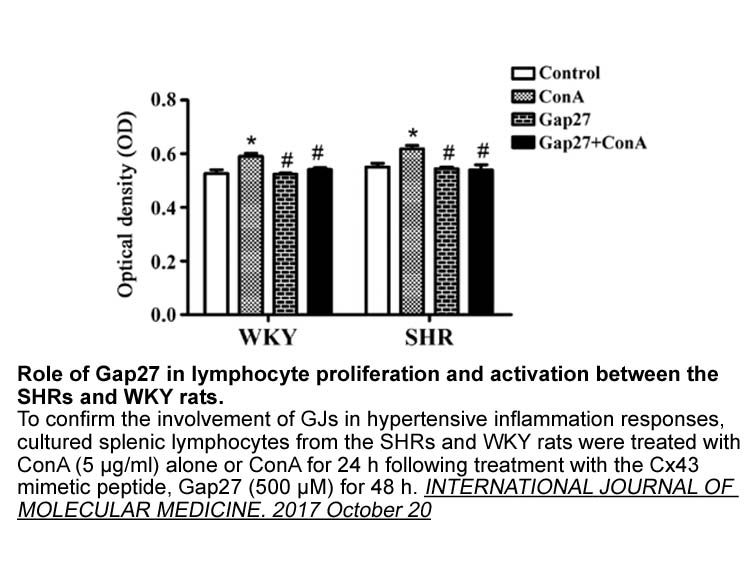
In summary, we demonstrated the high potency of fluxametamide against M. domestica, L. striatellus, and T. urticae GABACls, which leads to high acaricidal/insecticidal effects on these arthropod pests. In contrast to its high potencies against the GABACls of arthropod pests, fluxametamide exhibited
-
The most common adverse events
2021-01-25
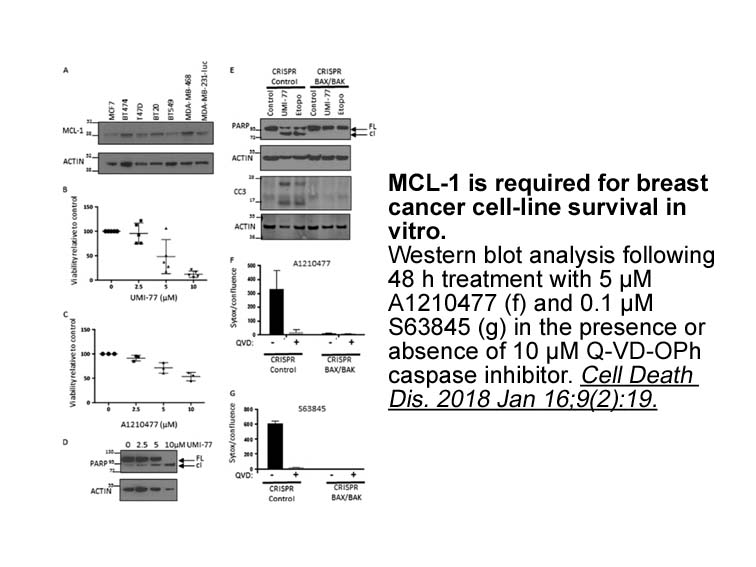
The most common adverse events in relation to udenafil treatment are headache and facial flushing; other possible adverse events are febrile sensation, dyspepsia, and visual disturbances. No severe adverse event related to udenafil has been reported thus far. The adverse event rate recorded in the p
-
br Conclusions ERK and its phosphorylation plays an essentia
2021-01-25
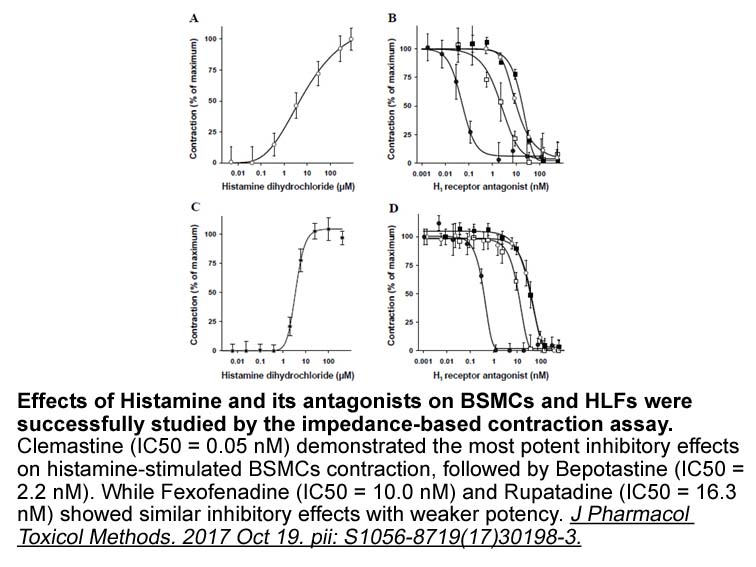
Conclusions ERK 1/2 and its phosphorylation plays an essential role in the hippocampus and can be triggered by both ROS accumulation and excessive Ca2+. DBP exposure can also affect the production of ROS and Ca2+ in the hippocampus. The question therefore arises as to whether the cell injury or a
-
The development and activation of T cells play an important
2021-01-25
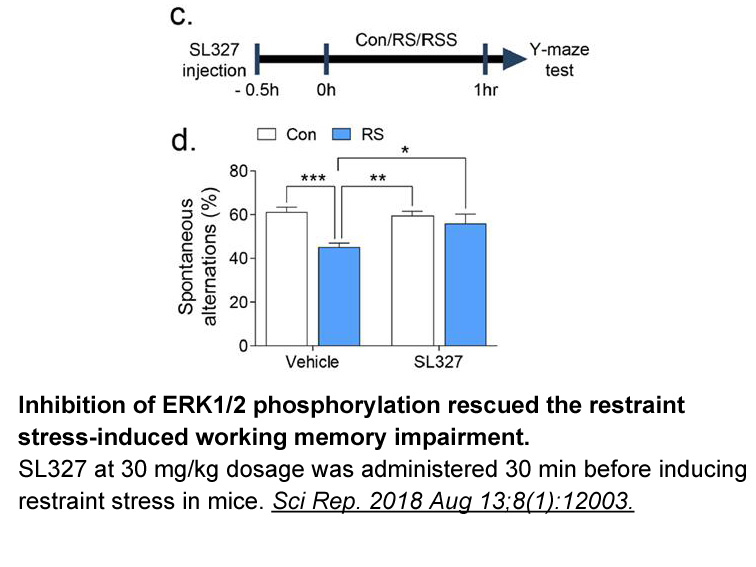
The development and activation of T ABT-578 play an important role in the progression of atherosclerosis. As for activation and differentiation of T cells, TCR signalling pathway is pivotal. ZAP70 plays a crucial role in formulation of TCR–microclusters, initiation of TCR signalling pathway, moreov
-
Besides EGFR other tyrosine kinase
2021-01-25

Besides EGFR, other tyrosine kinase receptors are currently gaining attention as potential therapeutic targets. Included among these is the fibroblast growth factor receptor (FGFR) family, which is involved in the progression of a variety of cancers.7, 8, 9, 10, 11 In lung cancer, fibroblast growth
-
All components of the UPP were predicted to be susceptible
2021-01-25
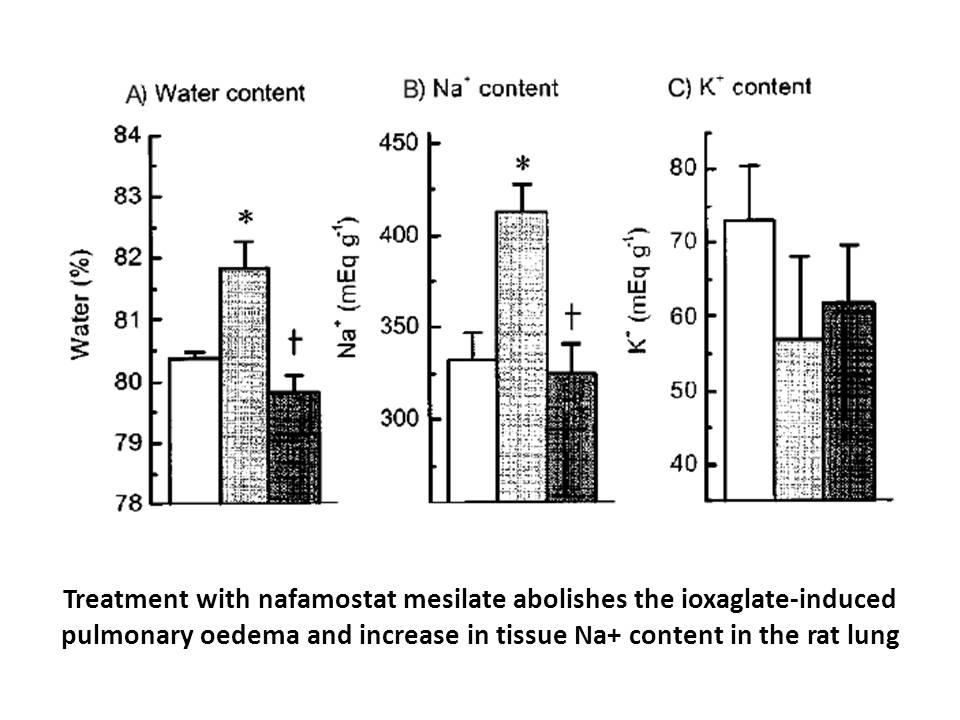
All components of the UPP were predicted to be susceptible to oxidative stress due to the cysteine residues in their active sites [36]. Curcusone D inhibits DUBs but has no significant effect on the action of E1, E2s, E3s, or the proteasome, which indicates that the targets of the ROS induced by cur
-
The CPA EoS was presented by Kontogeorgis
2021-01-23
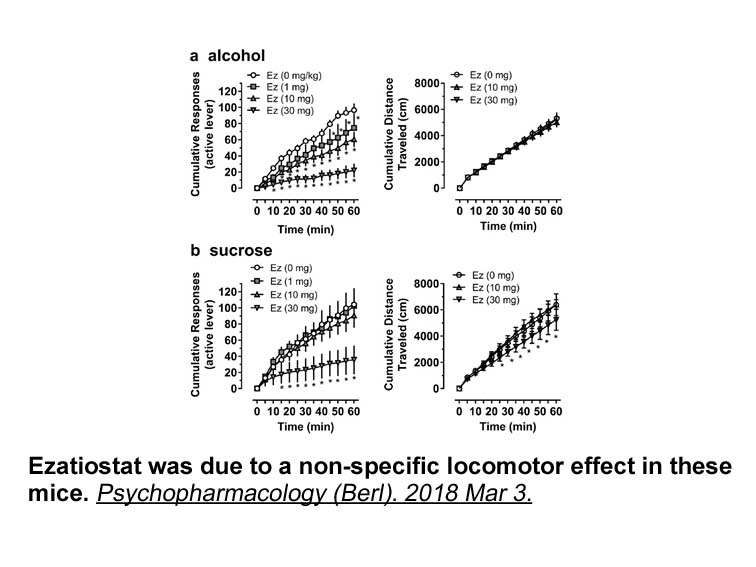
The CPA EoS was presented by Kontogeorgis et al., in 1996 [23]. The proposed equation is composed of two parts (SRK EOS + association term) such that it can well predict the thermodynamic behavior of hydrogen bonding materials as a result of considering the association term. Yakoumis et al. (1997) e
-
cox inhibitor The four other mutations S T V I
2021-01-23
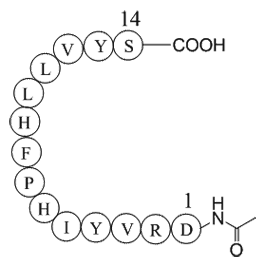
The four other mutations (S281T, V317I, T328A and A329S) were not detected in the absence of the A286S. This could suggest that when all of them are present, there would be a tri-dimensional structural modification that would interfere with the binding of the insecticide and produce different levels
-
Leupeptin The presence of a vicious cycle established
2021-01-23
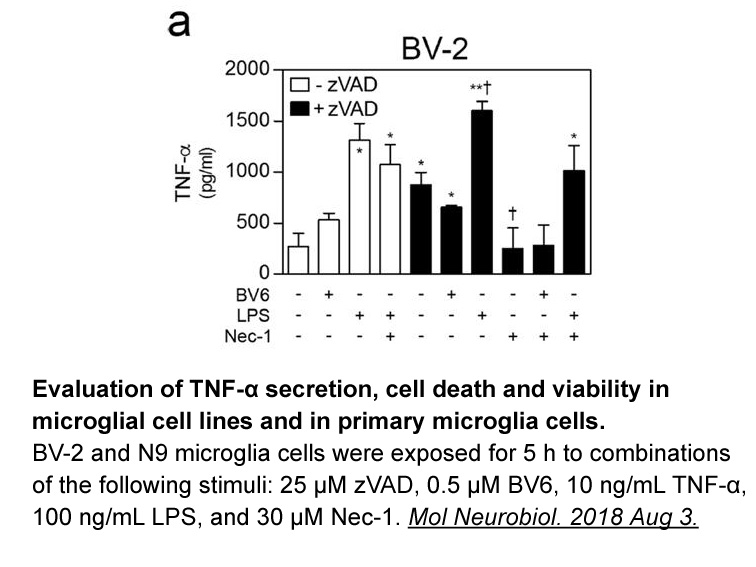
The presence of a “vicious cycle” established between tumor proliferation and paratumor osteolysis plays a crucial role in the development of primary bone tumors [53]. Cancer cells produce soluble factors that activate directly or indirectly via osteoblasts, osteoclast differentiation and maturation
-
A particularly important system in which Eph ephrin signalin
2021-01-23
A particularly important system in which Eph-ephrin signaling has been widely studied is neural development, in which downstream signal transduction controls neural stem cell (NSC) proliferation, migration, and survival both during early development and in adulthood (19, 20, 21). Furthermore, Eph-e
16399 records 775/1094 page Previous Next First page 上5页 771772773774775 下5页 Last page